How to Store and Organize Wood Scraps Safely
Last updated: May 08, 2026 · By Pénélope
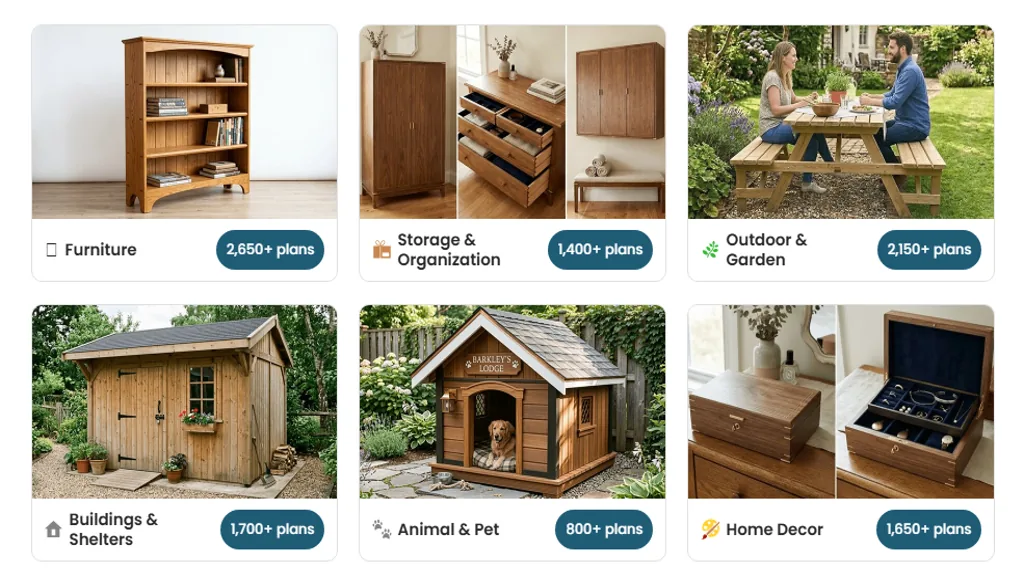
This focused guide on how to store and organize wood scraps safely sits inside the broader Scrap Wood Project Ideas collection. Use it as a quick reference whenever you want to start a build, refresh a technique, or shop for materials with confidence. Every step links back to printable plans you can take into the workshop, and the recommended bundle below opens the full library on any device.
Overview and Who It Suits
How to Store and Organize Wood Scraps Safely is one of the most rewarding entry points into woodworking because it balances achievable scope with a finished piece you can use the same day. Whether you are a complete beginner, a hobbyist returning after a long break, or a confident weekend maker, this approach scales to your level. The plans were tested across small apartments, suburban garages, and shared maker spaces, so the dimensions, noise level, and dust profile are all realistic for everyday life.
For deeper context, the parent collection on Scrap Wood Project Ideas covers the broader strategy. If you ever feel stuck, the master library on the DIY furniture plans homepage lists every related blueprint by topic, time, and tool list.
Materials and Tools
You only need a short list to begin. A standard cordless drill, a hand saw or compact circular saw, sandpaper in 120 and 220 grit, wood glue, clamps, a tape measure, and a finish of your choice. For wood, pine and poplar are forgiving, affordable, and widely available worldwide. Reclaimed pallet boards work beautifully when you want a rustic tone with zero cost. Hardware such as screws, dowels, or pocket hole jigs are listed in the printable PDF for each plan.
Step by Step Approach
- Plan the cuts. Print the cut list and label every board with a pencil before any saw touches the wood.
- Measure twice. Confirm every dimension against both metric and imperial readings.
- Sand before assembly. A quick pass with 120 grit on each face saves hours later.
- Dry fit first. Clamp the parts without glue to confirm angles and fit.
- Glue and clamp. Apply a thin even bead of glue, clamp, and let it cure for the recommended time.
- Final sand and finish. Move to 220 grit, wipe with a tack cloth, and apply your chosen finish in light coats.
Pro Tips for a Clean Finish
The difference between a beginner build and a professional looking piece often comes down to three habits: sand more than feels necessary, apply finish in thin layers, and never rush the cure time. A piece that sits overnight before its second coat looks twice as polished as one rushed in a single session. Soft cotton cloth, mineral oil, and a hard wax topcoat create a warm, food safe surface for kitchen items, while water based polyurethane keeps lighter woods bright and stain resistant.
Common Mistakes to Avoid
The top three mistakes are skipping the dry fit, rushing the glue cure, and ignoring grain direction during sanding. The plans flag each risk inside callout boxes so you can stop, adjust, and continue with confidence. Another quiet trap is using dull blades. A sharp hand saw or fresh circular saw blade cuts cleaner, safer, and faster than a worn one.
Get the Full Printable Plan
The complete printable PDF for how to store and organize wood scraps safely, including measured drawings, cut list, and finish guide, is included in the discounted vault below. Lifetime updates are part of every order.